Buying a Home in Coral Gables: What to Know First
01 Why buyers land in Coral Gables
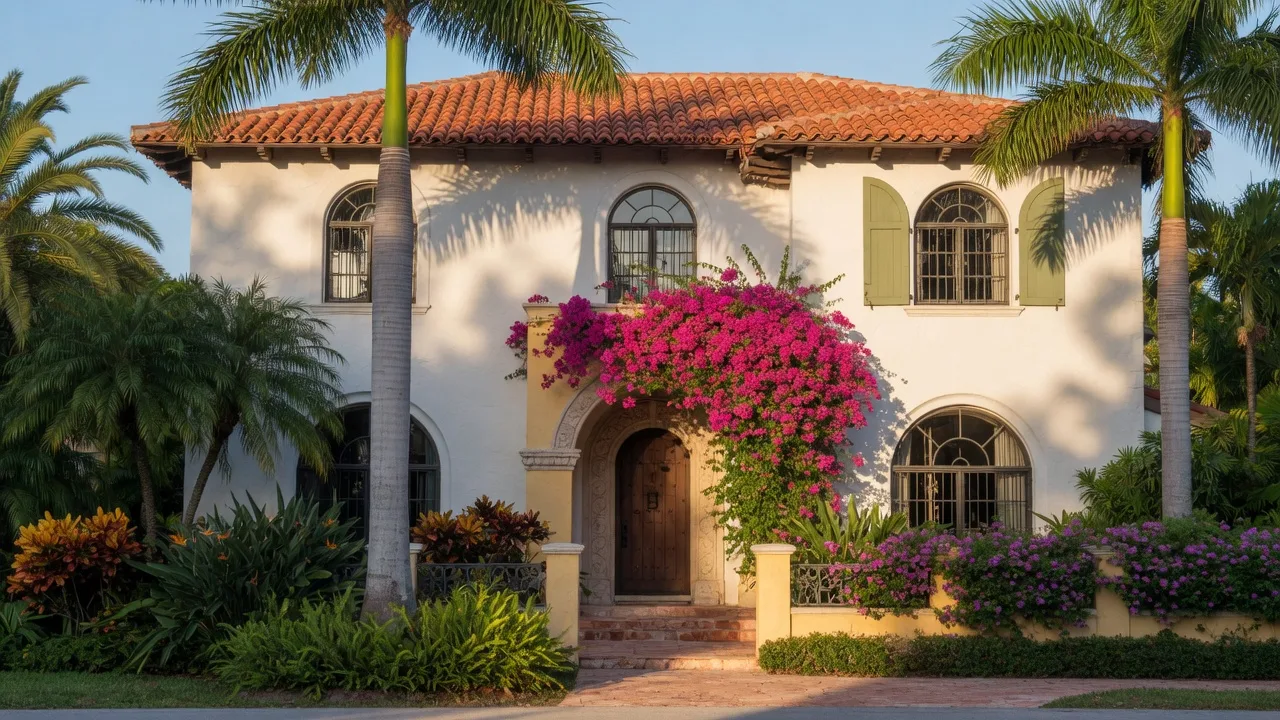
Coral Gables is the historic planned city George Merrick built in the 1920s, and more than a century later it still delivers on the original promise: Mediterranean revival architecture, tree-lined streets, canals, and a strong sense of place that Miami's newer neighborhoods cannot copy. The city's design standards protect that character, which is a big part of why the area's property values have stayed resilient through every market cycle.
Buyers arrive for different reasons. Families come for the schools and the walkable downtown. Architecture lovers come for the estates and the protected Mediterranean streetscapes. Professionals come for the commute math, since the Gables has its own downtown, Metrorail access, and Miami International Airport minutes away. Whatever pulls you here, the Coral Gables neighborhood guide covers the day to day.
02 How the market actually behaves
The short version: Coral Gables inventory moves quickly and rarely lingers, especially in the estate corridors. Well-priced homes in the most desirable pockets still attract multiple buyers, so the buyer who arrives pre-approved and clear on their must-haves has a real advantage. Townhomes and condos, particularly around the Miracle Mile and the South Gables, give more entry points than grand estates do.
Because the city is small and inventory is limited, pricing here is comp-driven in the truest sense: the street, the lot, the view, and the renovation level each move the number more than in a neighborhood with deep inventory. That is why Russell compares recent closings block by block rather than leaning on generic city averages, and why the right offer can come together fast when the right home appears.
03 Design rules change the way you buy
Coral Gables is a planned city with a famously strict set of design review rules, and they are not paperwork you can skip. Exterior changes, additions, paint colors on key streets, and landscaping can all require approval from the city's design and historic boards. For buyers who love the look of the Gables, those rules are the reason the look survives; for buyers dreaming of a major renovation, they are the reason to ask questions before you sign.
Russell flags the regulatory picture on every Gables showing, because it reshapes what a house is really worth to you: a fixer in a strict historic district is a different project than the same house where you can build freely. If you are weighing the Gables against freer-building neighbors like South Miami, that comparison is worth having early.
04 What an inspector sees in Gables homes
Many Coral Gables homes are older Mediterraneans, which means the systems deserve scrutiny even when the bones are beautiful. Russell looks for the classic South Florida tells: clay tile roofs that hide cracked tiles and aging underlayment, stucco that has absorbed decades of rain and salt air, original plumbing that predates modern codes, and air conditioning units running on borrowed time.
Moisture and mold risk are on the same shortlist, because the same canopy and canal-side humidity that make the streets gorgeous also test every crawl space and exterior wall. A professional inspection with a Florida-specific eye catches these before they become negotiation battles, and it is one of the reasons Russell's inspector background is such a fit for this market.
05 How to buy here with confidence
Buying in Coral Gables comes down to preparation: getting pre-approved, deciding which pocket fits your life and your renovation appetite, and having an agent who reads both the architecture and the physical condition. From there, the search can move quickly, because the best Gables homes rarely wait for a slow decision.
Tell Russell your budget, your must-haves, and your tolerance for a renovation project, and he will put together the current inventory, the honest street-by-street notes, and the inspection-grade read on every home you take seriously. You can start a Coral Gables search today or get a read on your own home's value if you are thinking about the sell side of the table.
Written by
Russell O'Brien, REALTOR® with One Path Realty
Russell is a Miami Realtor and former professional home inspector working Miami-Dade first and all of South Florida beyond: Broward, Palm Beach, and Monroe. Born and raised in Miami, he writes about what he sees in the market every day.